
2019 Novel Coronavirus (2019-nCoV) is a virus (more specifically, a coronavirus) identified as the cause of an outbreak of respiratory illness first detected in Wuhan, China. Early on, many of the patients in the outbreak in Wuhan, China reportedly had some link to a large seafood and animal market, suggesting animal-to-person spread. However, a growing number of patients reportedly have not had exposure to animal markets, indicating person-to-person spread is occurring. At this time, it’s unclear how easily or sustainably this virus is spreading between people.
56 MILLION PEOPLE OF CITIES ON LOCK DOWN BECAUSE OF nCoV, MANY PEOPLE THAT THE FEAR THAT THE DEATH TOLL IS ONLY SET TO RISE

HOW 2019-NCOV SPREADS
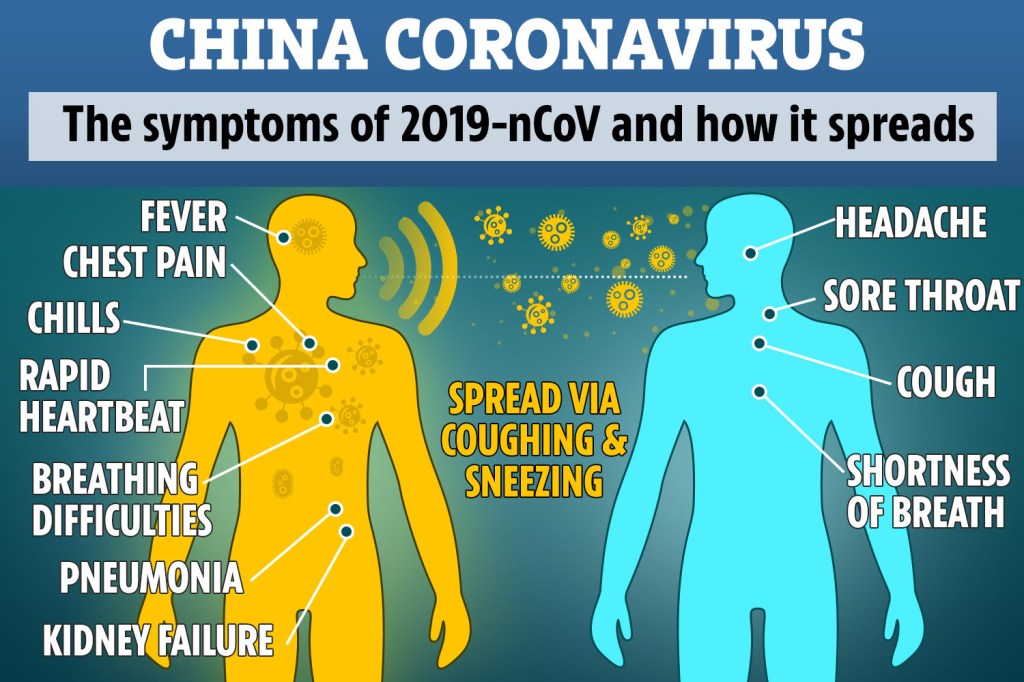
Most often, spreading from person to person involves within close contacts (about 6 feet).It is thought that spreading from person to person occurs primarily through respirat ory droplets created when an infected person coughs or sneezes, similar to how influenz and other respiratory pathogens spread These droplets can land in the mouths or noses of people who are nearby or possibly be inhaled into the lungs. It’s currently unclear if a person can get 2019-nCoV by touching a surface or object that has the virus on it and then touching their own mouth, nose, or possibly their eyes.Usually, people are thought to be most infected with most respiratory viruses when they’re most symptomatic (the sickest).It’s important to note that how easily a virus spreads person-to-person can vary. Some viruses are highly contagious (like measles), while other viruses are less so. There is much more to learn about the transmissibility, severity, and other features associated with 2019-nCoV and investigations are ongoing.
Should You Be Worried about the Novel Coronavirus Outbreak?
According to the Centers for Disease Control and Prevention (CDC), the risk to individuals is dependent on exposure. To date, some people will have an increased risk of infection, for example healthcare workers caring for 2019-nCoV patients and other close contacts, as well as immunocompromised individuals.
It might be worthwhile to tune out social media or other non-reputable sources if it creates panic. This new virus was temporarily named “2019-nCoV.”
Symptoms & Complication
Confirmed 2019-nCoV infections, reported illnesses have ranged from people with little to no symptoms to people being severely ill and dying. Symptoms can include:
- Fever
- Cough
- Shortness of breath
Prevention
There is currently no vaccine to prevent 2019-nCoV infection. The best way to prevent infection is to avoid being exposed to this virus. However, as a reminder, CDC always recommends everyday preventive actions to help prevent the spread of respiratory viruses,including:
- Wash your hands often with soap and water for at least 20 seconds, especially after going to the bathroom; before eating; and after blowing your nose, coughing, or sneezing.
- If soap and water are not readily available, use an alcohol-based hand sanitizer with at least 60% alcohol. Always wash hands with soap and water if hands are visibly dirty.
- Avoid touching your eyes, nose, and mouth with unwashed hands.
- Avoid close contact with people who are sick.
- Stay home when you are sick.
- Cover your cough or sneeze with a tissue, then throw the tissue in the trash.
- Clean and disinfect frequently touched objects and surfaces using a regular household cleaning spray or wipe.
Treatment
There is no specific antiviral treatment recommended for 2019-nCoV infection. People infected with 2019-nCoV should receive supportive care to help relieve symptoms. For severe cases, treatment should include care to support vital organ functions.
People who think they may have been exposed to 2019-nCoV should contact your healthcare provider immediately.
RECOMMENDATIONS AND ADVICE FOR THE PUBLIC
During previous outbreaks due to other coronavirus (Middle-East Respiratory Syndrome (MERS) and Severe Acute Respiratory Syndrome (SARS), human-to-human transmission occurred through droplets, contact and fomites, suggesting that the transmission mode of the 2019-nCoV can be similar. The basic principles to reduce the general risk of transmission of acute respiratory infections include the following:
• Avoiding close contact with people suffering from acute respiratory infections.
• Frequent hand-washing, especially after direct contact with ill people or their environment.
• Avoiding unprotected contact with farm or wild animals.
• People with symptoms of acute respiratory infection should practice cough etiquette (maintain distance, cover coughs and sneezes with disposable tissues or clothing, and wash hands).
• Within health care facilities, enhance standard infection prevention and control practices in hospitals, especially in emergency departments.
 ToolbarsG1.com